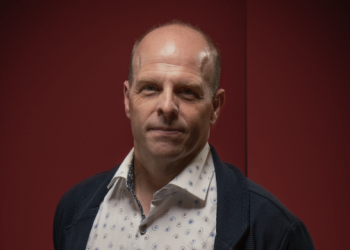

What was the moment you realized the SR&ED process was fundamentally broken, and how did that spark the idea for ClaimGen?
Maharram Mansimov: I understood the process was broken when I kept watching innovators build new technology but still get lost in paperwork, long questionnaires, and unclear expectations. I saw the same pattern repeated for years. Teams were not struggling with SR&ED because their work was weak. They were struggling because the process was built on an old workflow that no longer aligned with how teams operate today.
At the same time, I noticed that many SR&ED firms were promising different advantages but ultimately delivering a very similar experience. Even firms that talked about automation were still relying heavily on manual work in most cases and charging premium fees because their overhead never changed. Nothing about the client experience was actually evolving.
That is what sparked ClaimGen. The issue was not the SR&ED program itself. The issue was the experience around it. If we could remove friction, add transparency, make it more affordable, and improve quality at the same time, SR&ED could finally feel like a support system rather than a complex and time consuming process.
You built ClaimGen at the intersection of AI and expert assurance. What convinced you that this hybrid approach made sense?
Maharram Mansimov: It came from seeing frustration on both sides of the process: companies applying for SR&ED and consultants helping them. Companies wanted the process to take less time and be more predictable. They did not want to chase updates or spend weeks answering follow up questions.
At the same time, I saw how much repetitive work consultants were doing because the tools in the industry had not evolved. Even when eligibility was straightforward, timelines stretched because everything depended on manual steps. That made it clear that the problem was not expertise. It was how information moved through the process.
AI is good at organizing inputs and reducing repetition, while experts are still needed to apply judgment and context. That is why the hybrid model makes sense. ClaimGen combines those two so companies get a clearer and faster experience, and consultants can focus on the parts of the work that actually require expertise.
What keeps you going and motivates your mission to help Canadian companies access SR&ED funding?
Maharram Mansimov: What keeps me going is seeing the impact when teams actually receive the funding. I have seen the moment when a company gets clarity on their claim and realizes they can continue building, hire someone new, or extend their runway. You can feel the relief, and for many small and mid sized teams, this support is genuinely important to keep moving forward or to grow.
Canada has one of the strongest R&D tax incentive programs in the world, yet many companies do not fully benefit from it. By helping teams access SR&ED in a smoother and more practical way, we are not only supporting individual businesses but also contributing to innovation and growth in the Canadian economy.
Being part of this country, and building something that helps companies continue operating and investing in R&D is a strong motivator for me, especially during a time when economic and geopolitical uncertainty affects so many businesses. That sense of impact is what keeps me focused on improving the experience every day.
What has been the most eye opening insight from working with early stage teams navigating SR&ED for the first time?
Maharram Mansimov: The most eye opening insight has been how unclear and intimidating the process feels to first time applicants. Many early stage teams come in already expecting SR&ED to be a complex and time consuming process because that is what they have heard from others.
Because of that, first time applicants often do not know how to approach it at all. They are unsure about how their work will be assessed, what level of detail is expected, and where they might make mistakes. That lack of understanding creates hesitation and delays.
What consistently changes the experience is simply bringing structure to the process. Once teams understand how their work fits into the SR&ED framework and what information actually matters, the process becomes far less intimidating and much easier to move through.
Looking ahead, how do you see AI changing funding access in Canada, and where does ClaimGen fit into that future?
Maharram Mansimov: I think AI will make funding access more practical over time. Instead of trying to reconstruct everything at the end of the year, information can be captured earlier and organized more efficiently, which alone reduces a lot of stress. Based on recent federal budget discussions, it appears that regulators are also increasingly exploring how AI tools can be used to streamline funding access.
The real shift will be how experts use their time. When repetitive tasks are handled by better tools, consultants can focus on helping companies structure their work properly and avoid issues before they happen, rather than reacting at the end.
ClaimGen fits into that future by taking care of the operational side of the process so companies can access funding without being slowed down. With a simpler and less stressful funding experience, companies can focus on what they do best and keep innovating. That is the future we are working toward.

Kavish Jha is a contributing writer at TechBeat Canada, where he highlights the stories behind Canada’s most innovative founders and startups. Passionate about technology, creativity, and community, he brings a storyteller’s lens to every feature. When he’s not exploring the next big tech trend, you’ll find him diving into marketing strategy or discovering inspiring creators. Reach out: Kavish@techbeat.ca